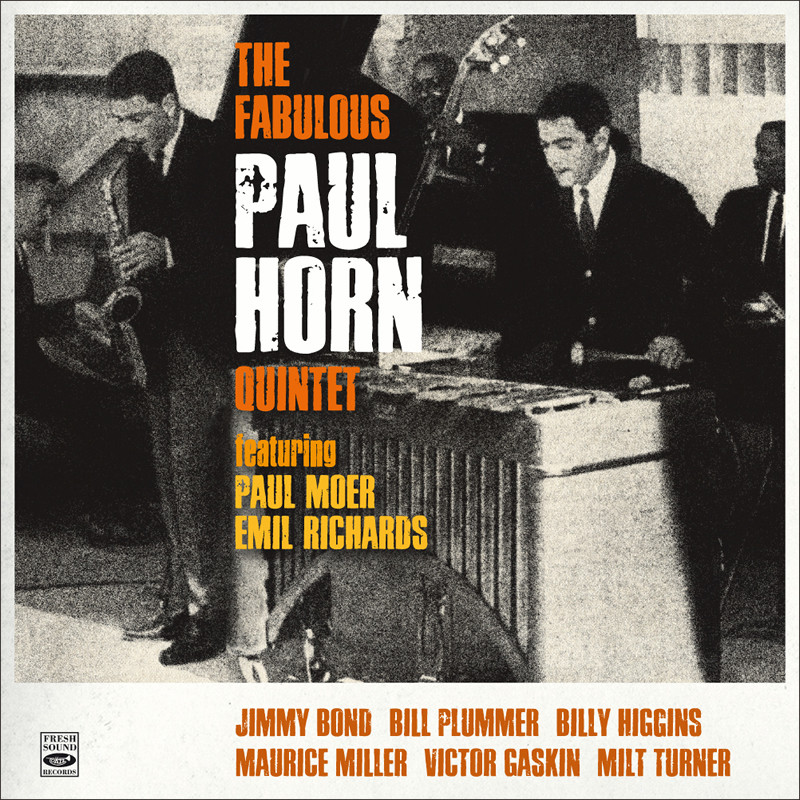
· Three complete albums on two CDs · DeLuxe 6 panel Digipack Edition · Excellent Stereo Sound Quality · 24-Bit Digitally Remastered · 16-Page illustrated booklet with extensive notes
Few jazz ensembles captured the adventurous spirit of the turn from the late ’50s into the early ’60s quite like the Paul Horn Quintet—the first organized combo after Miles Davis’ to explore modal frameworks for both composition and improvisation.
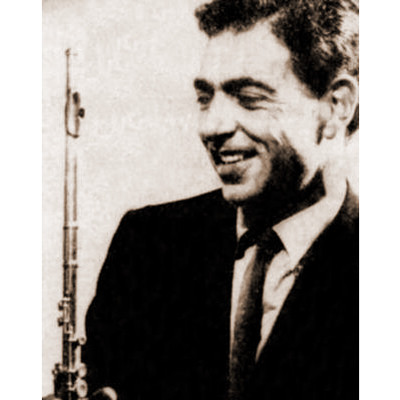
An alumnus of the Manhattan School of Music and a former member of Chico Hamilton's Quintet, Horn by 1959 had already established himself as a master of multiple woodwinds. With this group he revealed not only his virtuosity as a soloist, but also the depth of his imagination as a composer, eager to expand the possibilities of form, time, and harmony—an impulse clearly touched by Davis’ forward-looking approach.
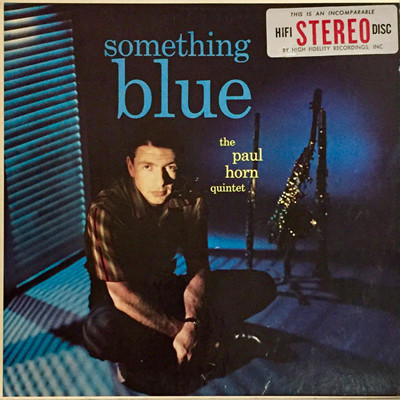
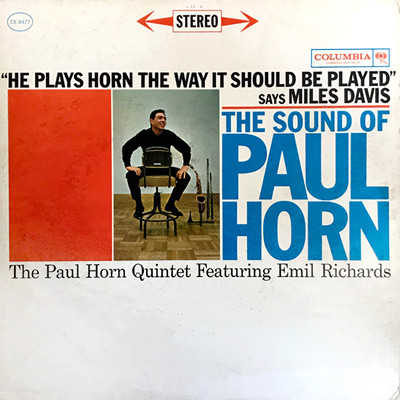
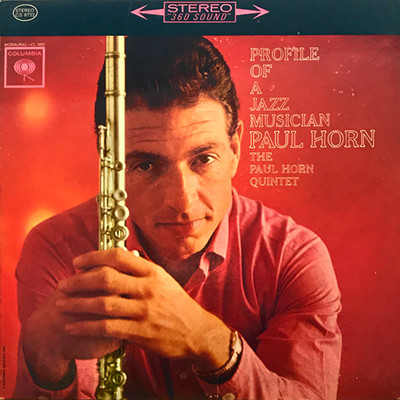
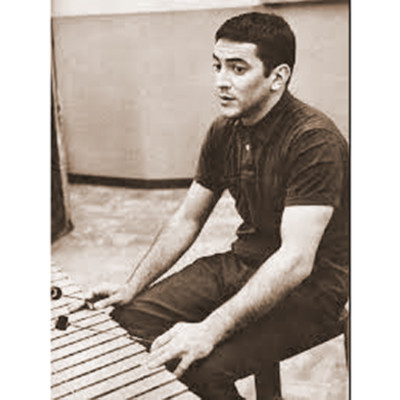
The three albums gathered in this collection trace that journey: from the blues-inflected sophistication of Something Blue, through the personal statements of Mirage and Blue on Blue on The Sound of Paul Horn, to the freer explorations of Profile of a Jazz Musician. On flute, Horn’s warm tone and impeccable control shine; on alto, his Coltrane-tinged lines push toward intensity and risk; and on clarinet—heard only on Something Blue—his sound is strikingly pure. Around him stood musicians of equal imagination. Vibraphonist Emil Richards developed a language uniquely his own, far from imitation; pianist Paul Moer contributed not only compositions but also a restless, driving swing; bassists Jimmy Bond and Victor Gaskin gave the music its anchor; and the drummers— Billy Higgins, announcing himself as a new voice in 1959, and later Milt Turner—propelled the music with energy and invention.
Taken together, these recordings capture a group in full flight: inventive, cohesive, and endlessly rewarding. Or, as Miles Davis once put it with admiration: “Watch out for Paul!”
—Jordi Pujol
Tracklist
CD 1 01. Dun-Dundee (Paul Horn) 7:13 02. Tall Polynesian (Paul Moer) 8:14 03. Mr. Bond (Paul Horn) 8:21 04. Something Blue (Paul Horn) 7:37 05. Fremptz (Emil Richards) 6:03 06. Half and Half (Paul Horn) 7:51 07. Benny's Buns (Paul Horn) 2:58 08. Without a Song (Rose-Youmans-Eliscu) 3:39 09. Yazz per favore (Emil Richards) 4:30 10. Mirage for Miles (Paul Horn) 11:52 11. My Funny Valentine (Rodgers-Hart) 5:18
CD 2 01. Short Politician (Paul Moer) 4:03 02. Blue on Blue (Paul Horn) 6:58 03. Moer or Less (Paul Moer) 4:05 04. Count Your Change (Paul Horn) 4:36 05. Now Hear This (Paul Horn) 4:07 06. Lazy Afternoon (Latouche-Moross) 2:43 07. What Now? (Paul Moer) 4:05 08. Straight Ahead (Paul Horn) 5:34 09. Fun Time (Paul Moer) 3:39 10. Because We're Kids (Hollander-Seuss) 3:26 11. Abstraction (Paul Horn) 12:03 12. We Three Kings of Orient (John Henry Hopkins) 3:50 *
Album details
(*) Bonus Track
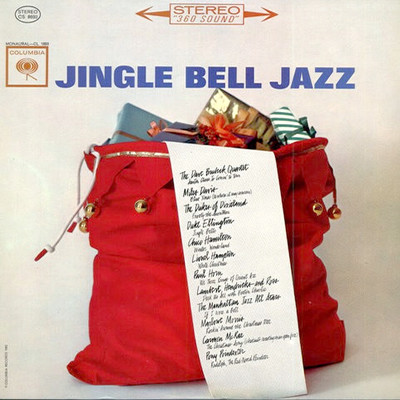
Sources: CD 1 - Tracks #1-6, from "Something Blue" (HiFi Jazz J615) CD 1 - Tracks #7-11 and CD 2 #1-3, from "The Sound of Paul Horn” (Columbia CS 8477) CD 2 - Tracks #4-11, from "Profile of a Jazz Musician” (Columbia CS 8722) CD 2 - Track #12, taken from the collective album "Jingle Bell Jazz" (Columbia CS 8693)
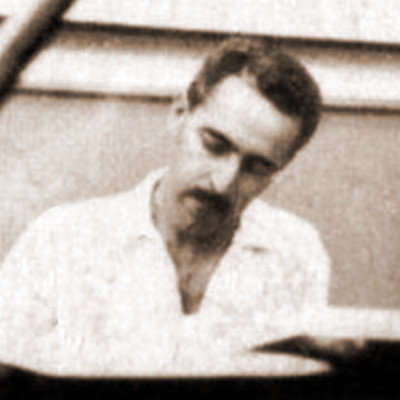
Personnel on CD 1: Paul Horn, alto sax, flute and clarinet; Emil Richards, vibes; Paul Moer, piano; Jimmy Bond (#1-10), Bill Plummer (#11), bass; Billy Higgins (#1-6), Milt Turner (#7-10), Maurice Miller (#11), drums. Recorded at Radio Recorders, Los Angeles, October 27, 1959 (#1-6) and March 30, 1961 (#7-11), unknown (#11)
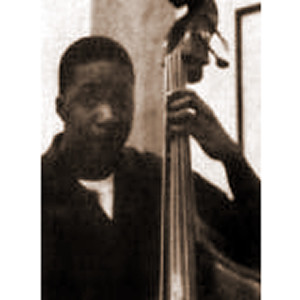
Personnel on CD 2: Paul Horn, alto sax, flute and bass flute; Emil Richards, vibes; Paul Moer, piano; Jimmy Bond (#1-3), Victor Gaskin (#4-12), bass; Milt Turner (#1-12) drums. Recorded at Radio Recorders, Los Angeles, March 30, 1961 (#1-2); 1961 (#3), and August 15, 16 & 17, 1962 (#4-12)
Stereo · 24-Bit Digitally Remastered Blue Moon Producciones Discograficas, S.L.
Press reviews
"In the late 1940s and early ‘50s, Paul Horn studied music formally—first at Oberlin College and then, on a graduate level, the Manhattan School of Music, finishing in 1953. His first recordings were with the Sauter-Finegan Orchestra in mid-1956. Then that fall, he moved to Los Angeles, where there was enormous demand for top jazz session musicians who could play multiple instruments. Horn was skilled on alto saxophone, flute and clarinet.
In L.A. in the fall of 1956, he joined the Chico Hamilton Quintet. Here’s Horn on flute in the film 'Sweet Smell of Success' (1957), at the start of the clip and at the end. He’s with Hamilton on drums, Fred Katz on cello, Carson Smith on bass, and actor Martin Milner held the guitar as the group’s guitarist, John Pisano, worked his own hand on the notes as Milner kept his left arm behind his back (see my interview with Chico Hamilton). This was done so that it looked as if Milner was playing…
Horn recorded prolifically with a wide range of West Coast artists, including Katz, Buddy Collette, June Christy, Shorty Rogers, Cal Tjader, Bobby Troup, Pete Rugolo, Skip Martin, Henry Mancini and Blossom Dearie.
Then in 1960, he assembled a solid quintet. The three sterling albums the Horn-led group recorded are now represented on The Fabulous Paul Horn Quintet (Fresh Sound), with explosively clear sound and depth thanks to 24-bit digital remastering.
The albums are Something Blue (1960), The Sound of Paul Horn (1961) and Profile of a Jazz Musician (1962). The first album was for the Hi-Fi label and the next two were for Columbia. The quintet on Something Blue featured Paul Horn (as,fl,cl), Emil Richards (vib), Paul Moer (p), Jimmy Bond (b) and Billy Higgins (d). On The Sound of Paul Horn, Milt Turner replaced Higgins on drums. On Profile of a Jazz Musician, bassist Victor Gaskin replaced Bond.
I’m a big Paul Horn fan. He was so hip and elegant on these recordings. As soon as you hear them, you know instantly that the guy had something special going on. His love of melody and his sophisticated swing made his music irresistible.
As jazz and studio work began to dry up in the mid-1960s, Horn shifted to more commercial work for RCA. Two albums of note were Here’s That Rainy Day in 1965 and Monday, Monday in 1966, with a band arranged and conducted by Oliver Nelson. When this work failed to satisfy him. Horn moved on to world music, which never quite matched his jazz intellect of years earlier.